
Why Peptide Therapy Is Evolving So Rapidly
If peptide therapy seems confusing right now, there’s a clear reason. “Peptides” refers to a broad category of molecules, not a single medication or regulatory category. Some peptide medications have FDA approval for specific uses. Other peptides discussed in wellness and longevity medicine may be compounded, under regulatory review, supported mainly by early-stage research, or not approved for human use. These distinctions are important and can affect what medical practices or pharmacies are able to provide.
The situation is also changing. In July 2026, the FDA’s Pharmacy Compounding Advisory Committee reviewed BPC-157, KPV, TB-500, and MOTS-c-related substances for possible inclusion on the federal 503A bulk drug substances list. This does not mean those peptides were approved as drugs. It shows that patients often encounter peptides widely discussed online while their medical use or compounding status remains unsettled or under active review.
Are Peptides FDA-Approved?
Some are. The key question is not whether “peptides” are FDA-approved, but whether a specific medication is FDA-approved for a specific use. FDA approval means the agency has reviewed a specific drug product for safety, effectiveness, manufacturing quality, and approved conditions of use. This approval does not automatically apply to every molecule in the same class or to every use of an approved drug.
This is why online discussions can become misleading quickly. While it’s true that peptide drugs exist in conventional medicine, it does not mean every peptide marketed for recovery, body composition, longevity, sleep, cognition, or other purposes has undergone FDA review for those uses.
What Does ‘Compounded’ Mean?
Compounding means making a medication to order for a specific patient or clinical need, following strict federal and state rules. Compounded medications can help when no FDA-approved option exists for a patient’s medical needs. However, a compounded medication is not FDA-approved. The FDA does not review each compounded medication for safety, effectiveness, or quality before it reaches patients, as it does for FDA-approved drugs.
Federal law also separates compounding into different types. Section 503A covers patient-specific compounding done by qualified pharmacies or doctors under certain conditions. Section 503B creates a separate category for registered outsourcing facilities that can provide certain compounded medications to healthcare facilities under different rules. These differences explain why where a medication comes from matters more than the name on the vial.
Peptides Are Confusing
If peptides seem confusing, that’s because they are. The word “peptide” describes a huge family of molecules, not a single treatment or even a single category of medicine. Some peptide medications are FDA-approved for specific uses. Others may be compounded for individual patients, studied for potential medical applications, sold strictly for research, or enthusiastically discussed online despite having limited human evidence. Two products described as peptides can have very little in common beyond their basic molecular structure.

It gets more complicated because research, regulation, and clinical practice don’t always move at the same speed. A peptide may have interesting laboratory data without convincing clinical evidence, or years of clinical interest without FDA approval for the use being discussed. Add changing compounding rules, social media, supplement marketing, and an alphabet soup of names like BPC-157, GHK-Cu, CJC-1295, and MOTS-c, and suddenly everyone could use a molecular model and a very patient scientist. The useful question isn’t simply whether something is a peptide. It’s what this particular peptide is, what evidence exists for its proposed use, and what is actually known about its risks and benefits.
Why Does Peptide Availability Keep Changing?
Availability can change for multiple reasons at the same time. Federal guidance might update. A substance might be reviewed for compounding. A pharmacy might change what it makes or ships. State rules can impact prescribing, dispensing, preparing, or using the medication. New safety information might become available. A clinic might also update its medical policies as evidence or regulations evolve.
This means a peptide previously discussed or offered by a clinic might later become unavailable, even if information about it stays online. It also means two clinics might seem to have very different medication options at the same time, without those options showing how the products are actually made or supplied.
Why Isn’t There One Simple List of “Legal Peptides”?
The legal status of a peptide depends on specific factors, including the exact substance, its formulation, intended use, source, preparation method, type of pharmacy or facility, and applicable federal and state regulations. A peptide discussed in published research does not automatically qualify as an approved medication. Similarly, widespread availability online does not confirm a product is lawful, meets pharmaceutical standards, or is safe for human use.
Buying Peptides Online: What Patients Should Know
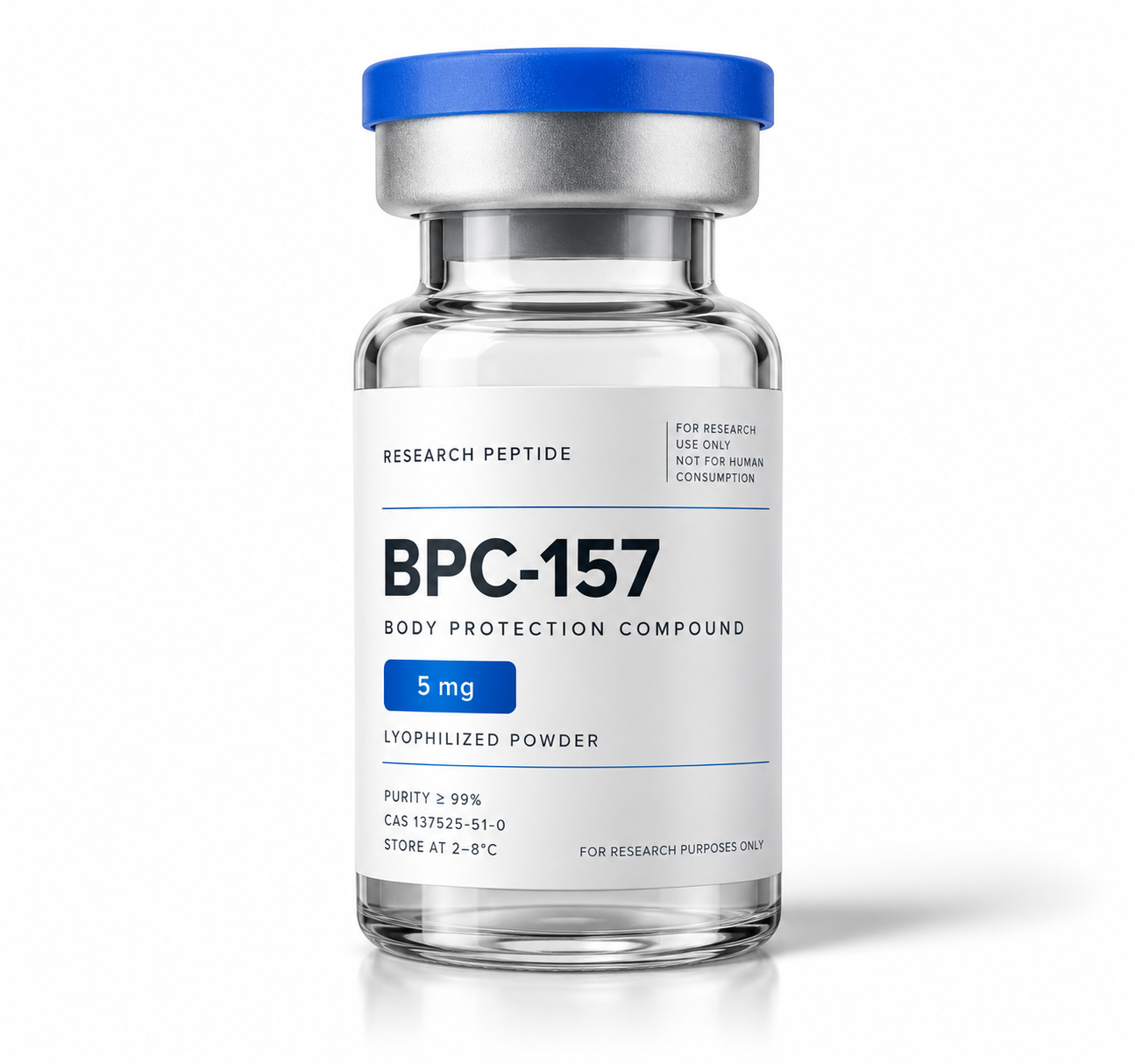
A quick search reveals hundreds of websites selling peptide vials directly to consumers. This abundance can create a false impression of market stability. Products labeled BPC-157, TB-500, CJC-1295, ipamorelin, MOTS-c, or other popular peptides are commonly available online. The critical questions remain: what is actually in the vial, who manufactured it, what quality standards were applied, how it was stored, and whether the seller operates as a legitimate pharmacy or merely as an online chemical vendor.
What Does “Research Use Only” Mean?

“Research use only” must be interpreted literally. It is not synonymous with prescription medication and does not indicate that a product has been evaluated for injection or other human use. The FDA has taken enforcement action against sellers who labeled products “research use only” while marketing them for effects in people.
A disclaimer cannot confirm whether a vial contains the correct identity, concentration, purity, or sterility as stated on the label. For injectable products, this is especially important because injections skip the body’s natural defenses against contaminants and microorganisms.
Can You Legally Buy Peptides Online?
There is no simple yes-or-no answer that applies to all peptides or all websites. Legitimate U.S. pharmacies can operate online, including those that fill prescriptions for medications. However, the FDA warns that unsafe online pharmacies may sell unapproved, counterfeit, improperly stored, incorrectly dosed, or otherwise unsafe products, sometimes without requiring a prescription.
For prescription medications, the FDA advises patients to verify a U.S. physical address and phone number, the presence of a licensed pharmacist who can answer questions, a valid prescription requirement, and pharmacy licensure that can be confirmed with the state board of pharmacy. A professional-looking website, laboratory-style packaging, or a seller’s certificate does not replace knowing who is actually providing the medication.
Purity Is Not the Same as Sterility
This distinction is particularly important for injectable peptides. A seller might advertise a percentage purity based on chemical analysis, but chemical purity alone does not confirm that a product is sterile, correctly dosed, free of endotoxins, properly manufactured, or safe for injection. These are separate quality concerns.
Hawaii has faced issues related to sterile-compounding problems. State Board of Naturopathic Medicine meeting records describe a Hawaii Department of Health investigation into harmful reactions after patients received compounded IV NAD+ solution, where endotoxin was detected. During the same meeting, the board also discussed a state inquiry about BPC-157 and the FDA’s policies on compounding. Although NAD+ and BPC-157 are distinct substances, this situation highlights why the preparation method and source of any injectable product are important, regardless of the treatment being considered.
What Should You Ask Before Using a Peptide?
Begin by asking about the product itself. What exactly is it? Is the medication FDA-approved for the intended use? If it is compounded, who prepared it and why is a compounded version necessary? Can you confirm the pharmacy or facility’s identity and verify its license? What human research supports the proposed use? What risks, side effects, drug interactions, and unknowns are known? Who will follow up if complications arise?
These questions are more helpful than asking whether peptides as a category are “safe.” A peptide with decades of clinical use and an FDA-approved indication should not be treated the same as an experimental compound primarily supported by animal or lab research.
How Strong Is the Evidence for Popular Peptide Therapies?
The strength of evidence varies widely. Studies showing how a molecule interacts with a biological pathway (mechanistic studies) or laboratory cell studies identifying effects are useful for research. Animal studies may support further investigation. However, none of these automatically shows how effective a treatment is in people, what dose is right, how significant the benefits are, or what rare harms might occur with wider use.
Promising Research Is Not the Same as Proven Treatment
Terms like “promising,” “investigational,” and “being studied” are meaningful indicators of uncertainty. They describe situations where a compound may have an interesting biological mechanism but lacks the controlled human trials needed to confirm whether the expected clinical benefit actually occurs. This distinction is especially important in peptide medicine, where online discussions often progress faster than clinical evidence can be established.
The reverse mistake is also possible. Lack of FDA approval does not mean a molecule has no biological effect or that every proposed use will fail. It means the specific product or use has not met the FDA approval standards. Good medical decisions require distinguishing between these two questions.
Why Anecdotes Spread Faster Than Clinical Data
Peptide communities online are filled with personal experiences: faster recovery, better sleep, less pain, improved body composition, or no effect at all. These experiences can help generate useful research questions but cannot prove a treatment works on their own. Symptoms naturally fluctuate, training and diet often change, multiple therapies are frequently used together, placebo effects occur, and unsuccessful experiences are less likely to be shared enthusiastically online.
The practical approach is not to dismiss patient experiences. Instead, it is to distinguish between personal experiences and scientific evidence, and to clearly state what is known, what is plausible, and what remains uncertain.
Peptide Therapy in Hawaii
Patients in Hawaii follow the same federal drug and compounding rules as patients across the United States, plus Hawaii-specific licensing and pharmacy requirements. This affects situations where medication is compounded on the mainland and shipped to a Hawaii patient, where a clinic obtains medication for administration, or where a product is prepared in a medical setting.
Regulations are not fixed. Hawaii regulators have previously addressed BPC-157 in relation to FDA compounding policy, and federal review of BPC-157 and several other peptides continued through 2026. Patients should therefore be cautious about relying on older articles, outdated clinic menus, social media posts, or older professional presentations that describe peptide availability as if the rules remain unchanged.
Why Different Hawaii Clinics May Give Different Answers
Different answers do not necessarily mean one clinic has found a secret loophole while another has not. Clinics may use different pharmacies, different formulations, different provider types, varying interpretations of changing regulations, or different thresholds for offering therapies with limited evidence. Some may also be using information that is no longer current.
If a clinic cannot clearly explain what it is providing, where it comes from, how it is obtained, and what evidence supports the proposed use, this lack of transparency is more significant than the length of its peptide menu.
Peptide Therapy at Infinity Life Center
Infinity Life Center follows developments in peptide medicine because our patients ask about these therapies and because the science and regulatory environment continue to evolve. Our goal is to provide useful, current information without pretending that every peptide has the same evidence, approval status, or availability.
Why We Don’t Maintain a Fixed Online Peptide Menu
A peptide discussed on this website should not be interpreted as a current treatment menu or a guarantee that the therapy is available. Availability may change as clinical evidence develops, pharmacies and sourcing change, or federal and Hawaii guidance is updated. We may therefore add, pause, remove, or reconsider therapies over time.
That can be frustrating for patients who have researched a particular peptide or previously saw it offered. It is also a reality of working in an area of medicine that is developing quickly. We would rather update what we provide than leave an outdated menu online simply for the sake of consistency.
What This Page Is Intended to Do
This page provides educational information to help patients understand peptide medicine well enough to ask informed questions. It is not a catalog of products and does not guarantee that a particular peptide is appropriate or available. When evidence is preliminary or regulations are evolving, we believe it is important to state uncertainties openly rather than conceal them.
Before Considering Any Peptide Therapy
Discuss any proposed therapy with a qualified healthcare provider who can assess it based on your specific health situation, current medications, treatment goals, and available alternatives. Ask about the evidence supporting the treatment, whether the product is FDA-approved or compounded, its source, known risks, and what remains uncertain. These questions are more important than whether a peptide is currently trending online.
Understanding Peptides in Modern Wellness
Peptides are short chains of amino acids that function as signaling molecules in the body, instructing cells to perform specific tasks. Unlike proteins, peptides are smaller and more targeted in their effects, making them ideal candidates for therapeutic use. In the context of wellness medicine, peptides are increasingly used to support the body’s natural healing processes, regulate biological functions, and optimize performance across a range of systems including immune, metabolic, neurological, and endocrine.
Their clinical appeal lies in their specificity—peptides can mimic naturally occurring signals in the body, producing physiological changes with minimal systemic disruption. As a result, they are being applied in therapies aimed at enhancing longevity, accelerating recovery, and improving quality of life in individuals seeking preventive and regenerative care.
Targeted Therapeutic Benefits
Different peptides are associated with specific wellness outcomes. For example, BPC-157 is known for promoting tissue repair and reducing inflammation, while thymosin alpha-1 can modulate immune function. Other peptides like CJC-1295 and ipamorelin are commonly used to support growth hormone secretion, aiding in muscle recovery, fat metabolism, and sleep regulation. These compounds allow for highly individualized treatment strategies, often addressing issues that conventional pharmaceuticals either overlook or treat systemically with more side effects.

IMPROVED RECOVERY
May accelerate the body’s natural repair process by supporting muscle regeneration, reducing inflammation, and aiding in post-exercise or post-injury healing.

BETTER SLEEP
Helps balance circadian rhythms by enhancing natural hormone release, potentially leading to deeper, more restful sleep and more consistent energy levels during the day.

COGNITIVE FUNCTION
Can improve concentration, memory recall, and mental sharpness by supporting neurotransmitter balance and reducing oxidative stress in the brain.

ANTI-AGING EFFECTS
May help slow age-related decline by supporting cellular repair mechanisms, improving skin appearance, and optimizing overall hormonal balance.
What are peptides?
Peptides, small chains of amino acids, have garnered significant attention in recent years for their potential to promote healing and recovery in the body. Unlike large proteins, peptides are small enough to be easily absorbed and can target specific areas of the body, making them a powerful tool in regenerative medicine and recovery therapies.
One of the most well-known benefits of peptides is their role in stimulating collagen production, which is essential for skin healing and repair. Collagen is a critical protein that maintains skin elasticity and firmness, and peptides can aid in its production, speeding up the recovery process from injuries, wounds, and surgical scars. This has led to the use of peptide-based treatments in cosmetic and reconstructive medicine, where skin healing is a priority.
Peptides and Healing: Are they Safe or FDA approved?
We at Infinity Life Center are always looking for safe, effective cutting edge technologies to help with optimizing health, wellness, and healing. At this time, many peptides are not FDA approved for regenerative medicine except in very specific cases. We look at your individual circumstances and evaluate the risk and benefits for you.
BPC-157
Peptides also have a direct impact on inflammation and muscle recovery. For instance, BPC-157, a peptide derived from a protein found in the stomach, has shown promising results in reducing inflammation, healing muscle, and regenerating tissue. Athletes and those recovering from injuries have found these peptides useful for promoting faster recovery from strains, tears, and other muscle-related issues.
Peptides offer a promising, natural approach to recovery and healing, with the ability to target specific areas of concern. As research continues, they hold great potential for broader applications in medicine.
Sermorelin and Ipamorelin
Sermorelin and Ipamorelin are synthetic peptides that stimulate the body’s natural production of growth hormone by acting on the pituitary gland. The primary benefits include enhancing muscle growth, improving recovery after exercise, and promoting fat loss. Additionally, Sermorelin can improve sleep quality, increase energy levels, and enhance cognitive function. It also supports healthy aging by boosting collagen production, leading to better skin elasticity and reduced wrinkles. Sermorelin’s ability to stimulate natural growth hormone production makes it a safer alternative to direct hormone replacement, offering anti-aging and regenerative benefits without the risks associated with synthetic growth hormone therapy.
Oxytocin
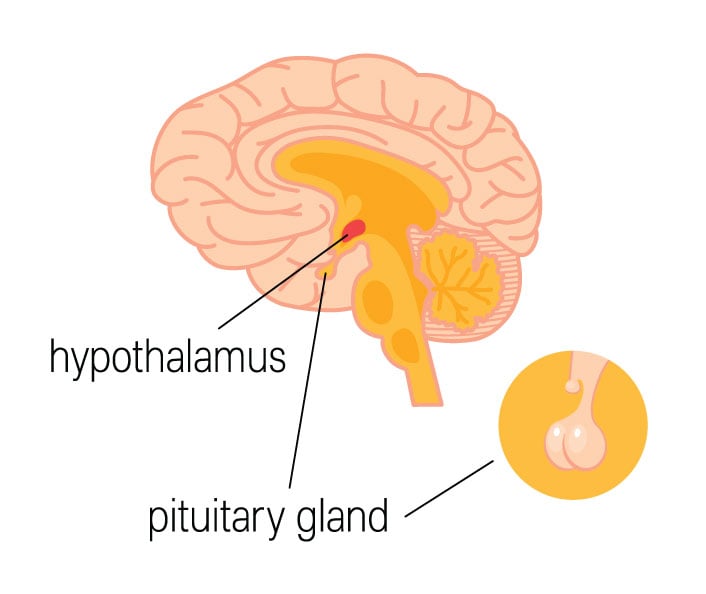
Oxytocin, often referred to as the “love hormone” or “bonding hormone,” is a powerful neuropeptide and hormone produced in the hypothalamus and released by the pituitary gland. It plays a crucial role in social bonding, emotional connection, and trust between individuals. Oxytocin is released during intimate moments such as hugging, touching, childbirth, and breastfeeding, where it helps strengthen emotional ties between partners, parents, and their children.
Beyond its role in social bonding, oxytocin has been shown to reduce stress and anxiety by lowering cortisol levels, which can create a calming effect on the body. This has made oxytocin of interest in research on mental health, particularly for conditions like anxiety disorders, depression, and post-traumatic stress disorder (PTSD).
Peptides and Compounds in Wellness Medicine
| Name | What It May Help With | How It’s Commonly Used |
|---|---|---|
| Thymosin Alpha-1 | Boosts immune system, supports recovery from infections or chronic illness | Subcutaneous injection |
| Thymosin Beta-4 | Aids in wound healing, tissue repair, and reducing inflammation | Subcutaneous injection |
| Larazotide | May help with “leaky gut” and improve digestive health | Oral capsule (in research use) |
| MOTS-c | Improves energy, metabolism, and insulin sensitivity | Subcutaneous injection |
| Tesamorelin | Reduces belly fat and supports natural growth hormone production | Subcutaneous injection |
| KPV | Reduces inflammation in the gut and skin; may help with IBD or eczema | Topical or subcutaneous injection |
| Melanocortin (e.g., PT-141) | May improve libido, mood, and reduce inflammation | Nasal spray or injection |
| Cortexin | Claimed to support brain function, memory, and recovery after stress or injury | Injection (used outside the U.S.) |
| Cortagen | Marketed for mental clarity and neural repair (limited evidence) | Injection (Russian compound) |
| Cerebrolysin | Used for brain injury and cognitive support in some countries | IV infusion |
| LL-37 | Helps with infections, immune response, and wound healing | Topical or subcutaneous injection |
| Epitalon (Apitalon) | May support anti-aging by helping cells repair and regulate sleep | Subcutaneous injection |
| GHK-Cu | Enhances skin repair, hair growth, and collagen production | Topical or microneedling serum |
| Met-enkephalin | Naturally occurring pain and immune modulator | Subcutaneous injection |
| MK-0677 (Ibutamoren) | Increases natural growth hormone, improves sleep and lean body mass | Oral tablet |

